
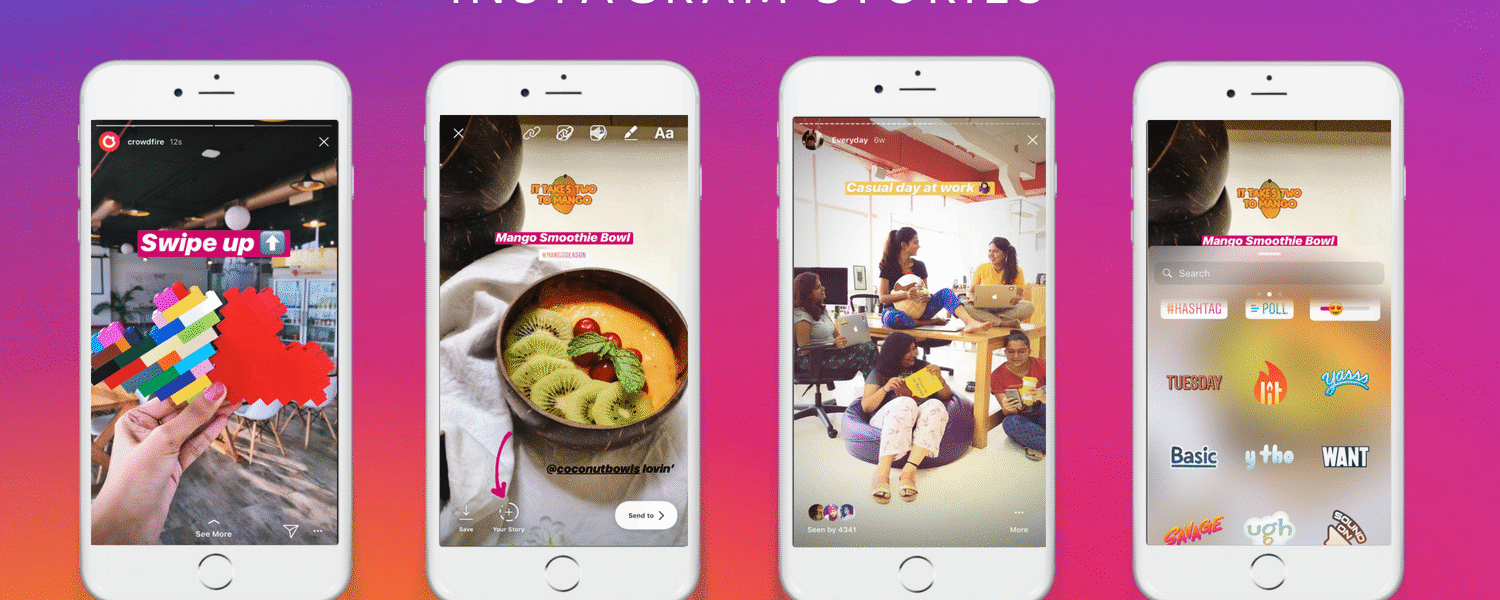

An effective Instagram strategy is proactive, not reactive. Nowhere is this truer than with Instagram Stories. While their spontaneous nature is part of their charm, relying solely on in-the-moment posting is a recipe for inconsistency, missed opportunities, and a disjointed brand narrative. The most successful brands and creators in 2025 treat their Stories like a planned content channel, not a random diary. They achieve this through batch creation and strategic scheduling. So, if you plan your content in advance, you can build compelling story arcs, post consistently when your audience is most active, and analyze performance with clarity. This article dives into the best tools that make this professional approach possible, helping you elevate your Stories from an afterthought to a strategic asset.
Buffer
While Buffer is a good option for scheduling traditional feed posts, its capabilities for Instagram Stories often reveal the platform’s deeply ingrained, feed-first approach. When it comes to marketers and creators who think visually, Buffer’s most significant weakness is its complete lack of a dedicated visual planner or storyboard for Stories. Instead of allowing you to artistically arrange and preview a narrative sequence, Stories are simply dropped into a content queue or calendar slot, much like a tweet or a single image. This list-based approach fundamentally misunderstands the storytelling nature of the format, making it difficult to plan cohesive, multi-panel narratives without using another tool first.
The entire Story scheduling workflow can feel like a feature that was bolted on to its core system, rather than a seamlessly integrated experience. Furthermore, Buffer offers minimal in-app creative assistance for the Stories themselves. You are expected to upload a perfectly finished file, adding an extra layer of work compared to platforms with more robust built-in editors or sticker integrations. While it reliably publishes the content on time, Buffer’s rigid, non-visual process treats a Story like just another asset in a queue. For those who prioritize compelling visual storytelling and a fluid creative workflow, Buffer is likely to feel more like a functional limitation than a helpful partner.
Hootsuite
As one of the original pioneers in social media management, Hootsuite offers a powerful, enterprise-grade suite of tools, but this very complexity makes it a cumbersome and inefficient choice for scheduling Instagram Stories. The user interface, known for its classic stream-based dashboard, can feel cluttered and unintuitive for the simple task of planning visual content. In addition, finding and using the Story scheduler often feels like navigating a dense, text-heavy environment that was not designed with a visual-first format in mind. This can be a stark contrast to the slick, modern interfaces of many of its competitors with their ample Instagram Story templates.
Critically, Hootsuite lacks any form of visual storyboard or drag-and-drop planner for Stories. This forces users to schedule Story panels as individual items without being able to easily preview the narrative flow. This is a significant drawback for a storytelling medium. Given Hootsuite’s notoriously premium pricing and highly limited free plan, the value proposition is particularly weak for this specific function. Basically, you’re paying for a powerful analytics and team management engine while receiving a clunky Story scheduling experience. If you want an agile, visual, and cost-effective solution, Hootsuite’s legacy platform may feel more like an obstacle than an asset.
Later
Later is celebrated for its clean, visual-first approach, but for some users, its greatest strengths can also be its most significant limitations. The platform’s hyper-focus on Instagram posts means its capabilities for other aspects, like Stories, often feel less developed. For a creator or business needing a single, powerful tool to manage their entire social presence with equal prowess, Later can feel imbalanced and incomplete.
While its visual planner is a core feature, the free plan has become increasingly restrictive, with low monthly post limits that a growing brand will quickly find insufficient. This pushes users toward a paid subscription to unlock the very features that make Later famous, such as Best Time to Post analytics and in-depth performance tracking. The workflow also presents a notable friction point; Later is a brilliant planner, but not a content creator. This leads to a disjointed process where graphics and videos must be fully designed in a separate application first. Furthermore, the promise of full auto-publishing comes with a crucial caveat for Stories. If you use interactive stickers like polls, quizzes, or question boxes, you still need manual intervention via a push notification, slightly undermining the set it and forget it appeal. If you want an all-in-one power and flexibility across multiple platforms, Later might feel surprisingly constrained.
Zoho Social
While Zoho Social presents itself as a logical choice for businesses already embedded in the wider Zoho software ecosystem, its capabilities for scheduling Instagram Stories reveal its fundamental nature as a business tool, not a creative one. The platform’s strength lies in its integration with CRM and analytics suites, but this focus results in a user experience that is starkly utilitarian and data-centric. So, if you want to plan a vibrant, visually-led Story, the interface feels more like a component of an accounting or sales platform. Essentially, it is functional but entirely uninspiring and clunky for creative tasks.
Furthermore, Zoho Social offers minimal to no in-app creative features, expecting a perfectly finished asset to be uploaded. While the convenience of integrating social data with your Zoho CRM is a clear benefit, this comes at the cost of a deeply underwhelming and non-visual scheduling experience. For any brand where creative expression on Instagram is a priority, Zoho Social’s functional but soulless approach to Stories makes it a surprisingly poor fit.
PosterMyWall
While many know PosterMyWall as a design powerhouse, it is quite an effective and powerful tool for scheduling Instagram Stories. It offers a seamless create-to-schedule workflow that few competitors can match. The platform’s true brilliance lies in its function as a one-stop shop for the busy small business owner or event promoter. You can browse an unparalleled library of hyper-specific templates, customize it in minutes, and then schedule it directly to your Instagram Stories without ever leaving the platform. Its Content Planner lets you do this in an organized manner with all your platforms at hand. This integrated approach is a massive time-saver.
Furthermore, the platform excels at creating the dynamic, video-based content that is crucial for Story engagement, making professional-looking animations accessible to even the most novice designer. Therefore, this is invaluable for capturing the vibrant, energetic feel that a successful Instagram presence requires. The unique advantage is its dual-purpose nature. Basically, the same graphic you schedule for your online audience can be downloaded as a high-resolution file for a matching in-store poster, ensuring perfect brand consistency across all channels. For businesses that need to create and schedule compelling, event-driven content efficiently, PosterMyWall isn’t just a scheduler, it’s a complete marketing content engine.
Ultimately, the best scheduling tool is the one that seamlessly integrates with your unique workflow and budget. Whether you need an all-in-one social media suite or a simple, dedicated Story planner, you will find the right fit for you. The information is in your hands, so all that’s left is to choose one, reclaim your schedule, and start posting with purpose and consistency.